

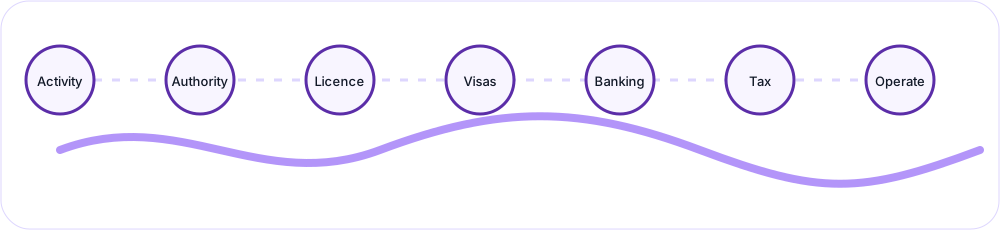
Direct answer: IFZA Business Setup Guide: Licence, Visas and Cost Factors is best approached as a connected planning exercise, not a single isolated application. Founders should confirm the activity, authority, ownership structure, visa needs, banking readiness, tax position and renewal obligations before paying fees or submitting documents.
This guide explains the practical checks a founder can make, the areas that usually affect cost or timing, and how notionwave connects the setup decision to post-licence operations.
Overview
The overview stage matters because ifza business setup decisions usually affect more than one part of the company. A licence route that looks simple on price may have different implications for visas, workspace, banking evidence, renewal cost, regulated activity approvals or later expansion.
For ifza business setup guide: licence, visas and cost factors, notionwave recommends reviewing the activity description, the expected client and supplier profile, the number of shareholders, the required visas and the documents available before choosing a route. This keeps the discussion practical and avoids relying on generic packages that may not fit the business model.
A useful review also separates confirmed authority requirements from assumptions. Founders should ask which fees are official, which fees are professional support, which documents are mandatory now, and which items may depend on bank, immigration, tax or third-party review after the company is formed.
Who may consider this route
The who may consider this route stage matters because ifza business setup decisions usually affect more than one part of the company. A licence route that looks simple on price may have different implications for visas, workspace, banking evidence, renewal cost, regulated activity approvals or later expansion.
For ifza business setup guide: licence, visas and cost factors, notionwave recommends reviewing the activity description, the expected client and supplier profile, the number of shareholders, the required visas and the documents available before choosing a route. This keeps the discussion practical and avoids relying on generic packages that may not fit the business model.
A useful review also separates confirmed authority requirements from assumptions. Founders should ask which fees are official, which fees are professional support, which documents are mandatory now, and which items may depend on bank, immigration, tax or third-party review after the company is formed.
| Checkpoint | Question | Why it matters |
|---|---|---|
| Activity fit | Does the proposed activity match the authority classification? | Reduces amendment risk. |
| Visa plan | How many visas are needed now and later? | Affects package and immigration planning. |
| Banking profile | Can the business explain clients, suppliers and source of funds? | Supports bank review. |
| Compliance | Are tax, VAT and bookkeeping responsibilities understood? | Avoids post-licence surprises. |
Activity and licence considerations
The activity and licence considerations stage matters because ifza business setup decisions usually affect more than one part of the company. A licence route that looks simple on price may have different implications for visas, workspace, banking evidence, renewal cost, regulated activity approvals or later expansion.
For ifza business setup guide: licence, visas and cost factors, notionwave recommends reviewing the activity description, the expected client and supplier profile, the number of shareholders, the required visas and the documents available before choosing a route. This keeps the discussion practical and avoids relying on generic packages that may not fit the business model.
A useful review also separates confirmed authority requirements from assumptions. Founders should ask which fees are official, which fees are professional support, which documents are mandatory now, and which items may depend on bank, immigration, tax or third-party review after the company is formed.
Visa, workspace and document planning
The visa, workspace and document planning stage matters because ifza business setup decisions usually affect more than one part of the company. A licence route that looks simple on price may have different implications for visas, workspace, banking evidence, renewal cost, regulated activity approvals or later expansion.
For ifza business setup guide: licence, visas and cost factors, notionwave recommends reviewing the activity description, the expected client and supplier profile, the number of shareholders, the required visas and the documents available before choosing a route. This keeps the discussion practical and avoids relying on generic packages that may not fit the business model.
A useful review also separates confirmed authority requirements from assumptions. Founders should ask which fees are official, which fees are professional support, which documents are mandatory now, and which items may depend on bank, immigration, tax or third-party review after the company is formed.
Cost categories and banking readiness
The cost categories and banking readiness stage matters because ifza business setup decisions usually affect more than one part of the company. A licence route that looks simple on price may have different implications for visas, workspace, banking evidence, renewal cost, regulated activity approvals or later expansion.
For ifza business setup guide: licence, visas and cost factors, notionwave recommends reviewing the activity description, the expected client and supplier profile, the number of shareholders, the required visas and the documents available before choosing a route. This keeps the discussion practical and avoids relying on generic packages that may not fit the business model.
A useful review also separates confirmed authority requirements from assumptions. Founders should ask which fees are official, which fees are professional support, which documents are mandatory now, and which items may depend on bank, immigration, tax or third-party review after the company is formed.
Questions before applying
The questions before applying stage matters because ifza business setup decisions usually affect more than one part of the company. A licence route that looks simple on price may have different implications for visas, workspace, banking evidence, renewal cost, regulated activity approvals or later expansion.
For ifza business setup guide: licence, visas and cost factors, notionwave recommends reviewing the activity description, the expected client and supplier profile, the number of shareholders, the required visas and the documents available before choosing a route. This keeps the discussion practical and avoids relying on generic packages that may not fit the business model.
A useful review also separates confirmed authority requirements from assumptions. Founders should ask which fees are official, which fees are professional support, which documents are mandatory now, and which items may depend on bank, immigration, tax or third-party review after the company is formed.
Practical checklist
- Confirm the exact business activity wording.
- Separate authority fees from professional service fees.
- Prepare shareholder and UBO information.
- Review visa, banking, tax and accounting implications.
- Keep copies of every approval, receipt and issued document.
How notionwave connects the next steps
notionwave connects company formation with PRO coordination, banking readiness, corporate tax and VAT review, bookkeeping, website setup and operational systems. The goal is to help the founder move from a licence decision into a working business structure with fewer disconnected handoffs.
Sources and official references
Related insights

Free Zones
How to Choose the Right UAE Free Zone for Your Business
A practical notionwave guide for UAE founders reviewing How to Choose the Right UAE Free Zone for Your Business. Compare the key decisions, documents, costs and operating steps before moving ahead.
Read insight
Banking
How to Open a Business Bank Account in the UAE
A practical notionwave guide for UAE founders reviewing How to Open a Business Bank Account in the UAE. Compare the key decisions, documents, costs and operating steps before moving ahead.
Read insight
Startup Operations
UAE Company Post-Licence Checklist: Banking, Tax, Visas and Technology
A practical notionwave guide for UAE founders reviewing UAE Company Post-Licence Checklist: Banking, Tax, Visas and Technology. Compare the key decisions, documents, costs and operating steps before moving ahead.
Read insight